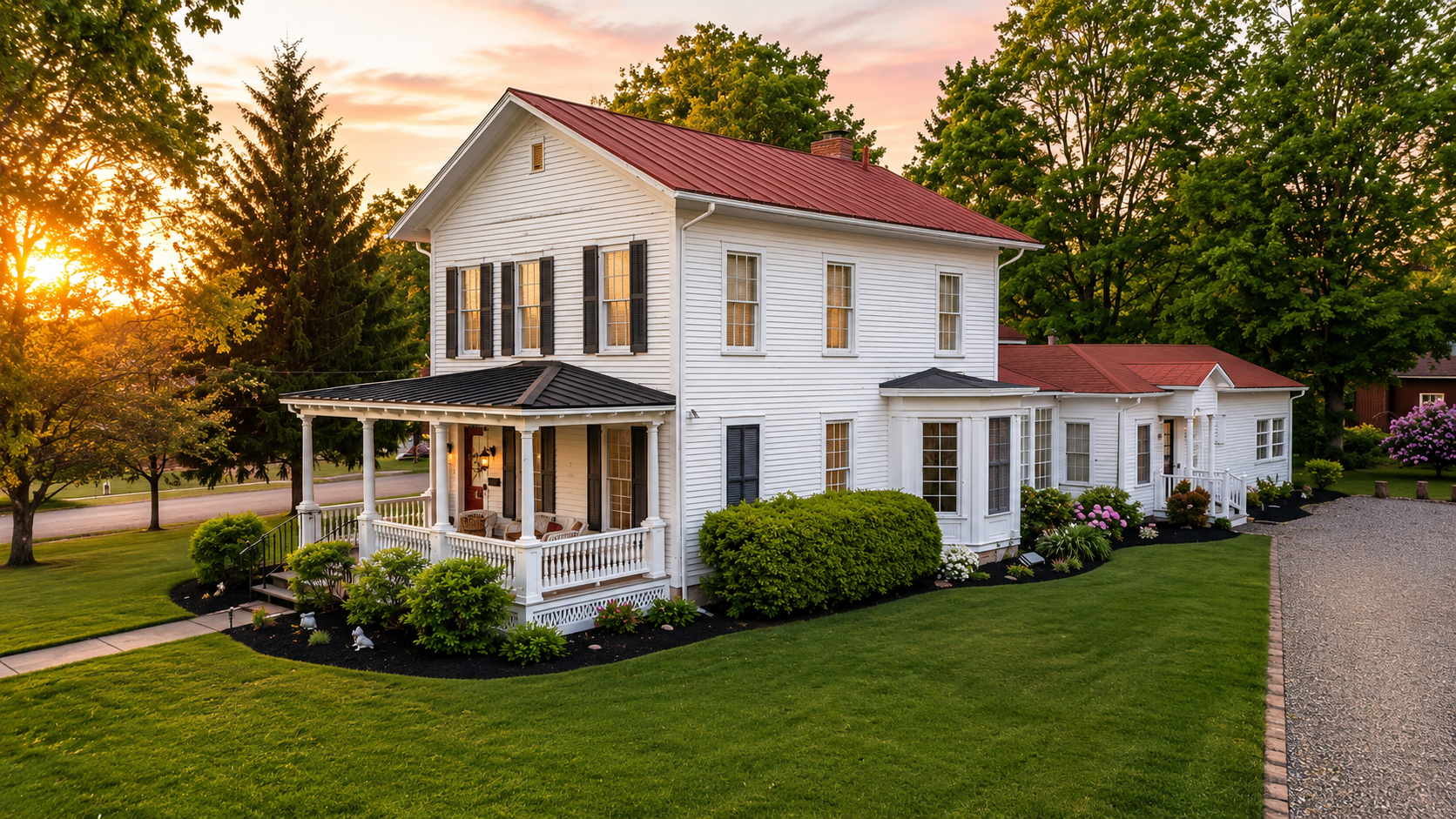
The History of The Portage House.
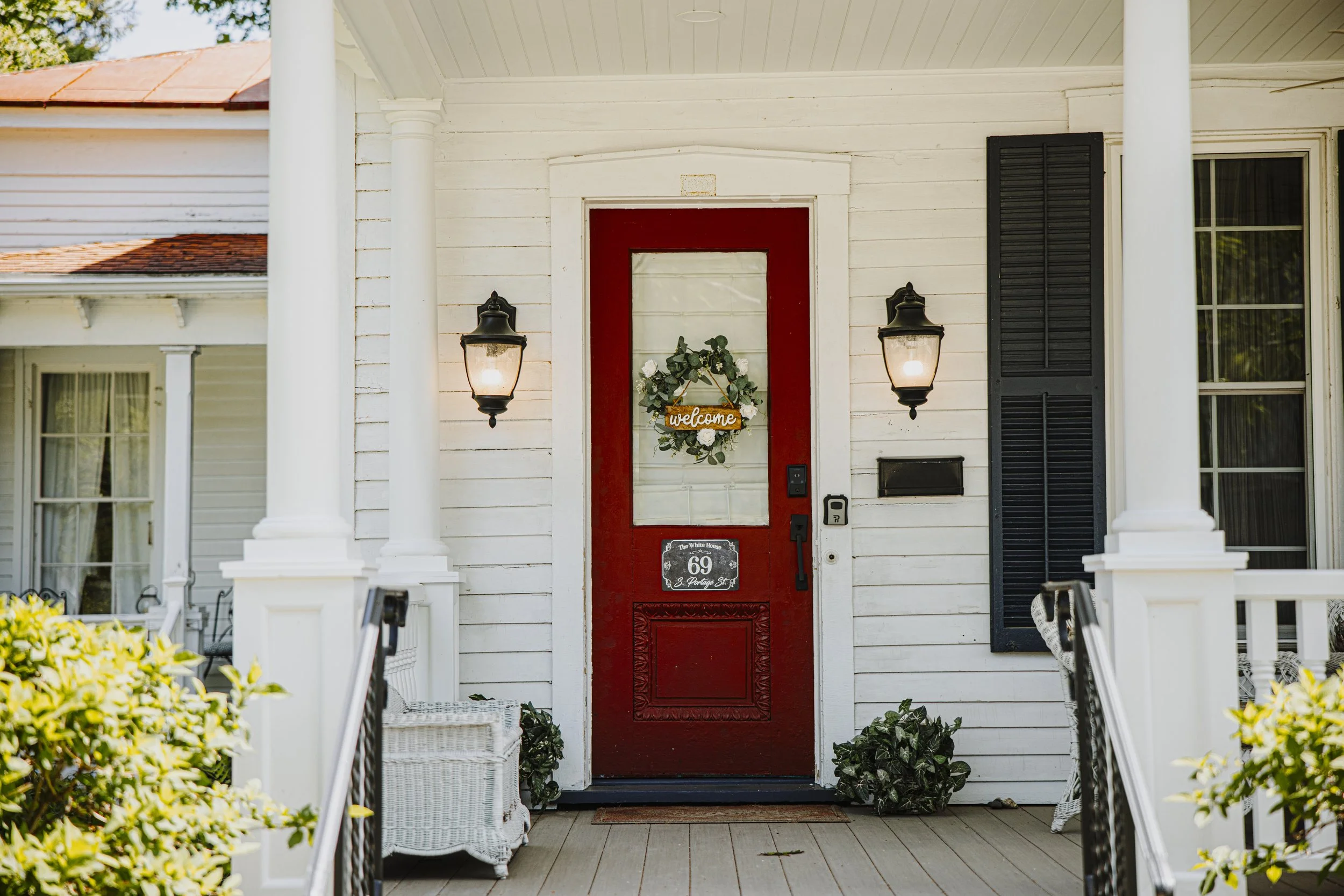
Built in 1850, The Portage House stands as a piece of Westfield’s rich and layered history — a time capsule from an era when the village played an important role in the anti-slavery movement throughout Western New York. Located along historic Portage Street in the heart of Westfield, the home dates back to a period when the region served as a vital corridor for freedom seekers traveling north toward Canada via Lake Erie.
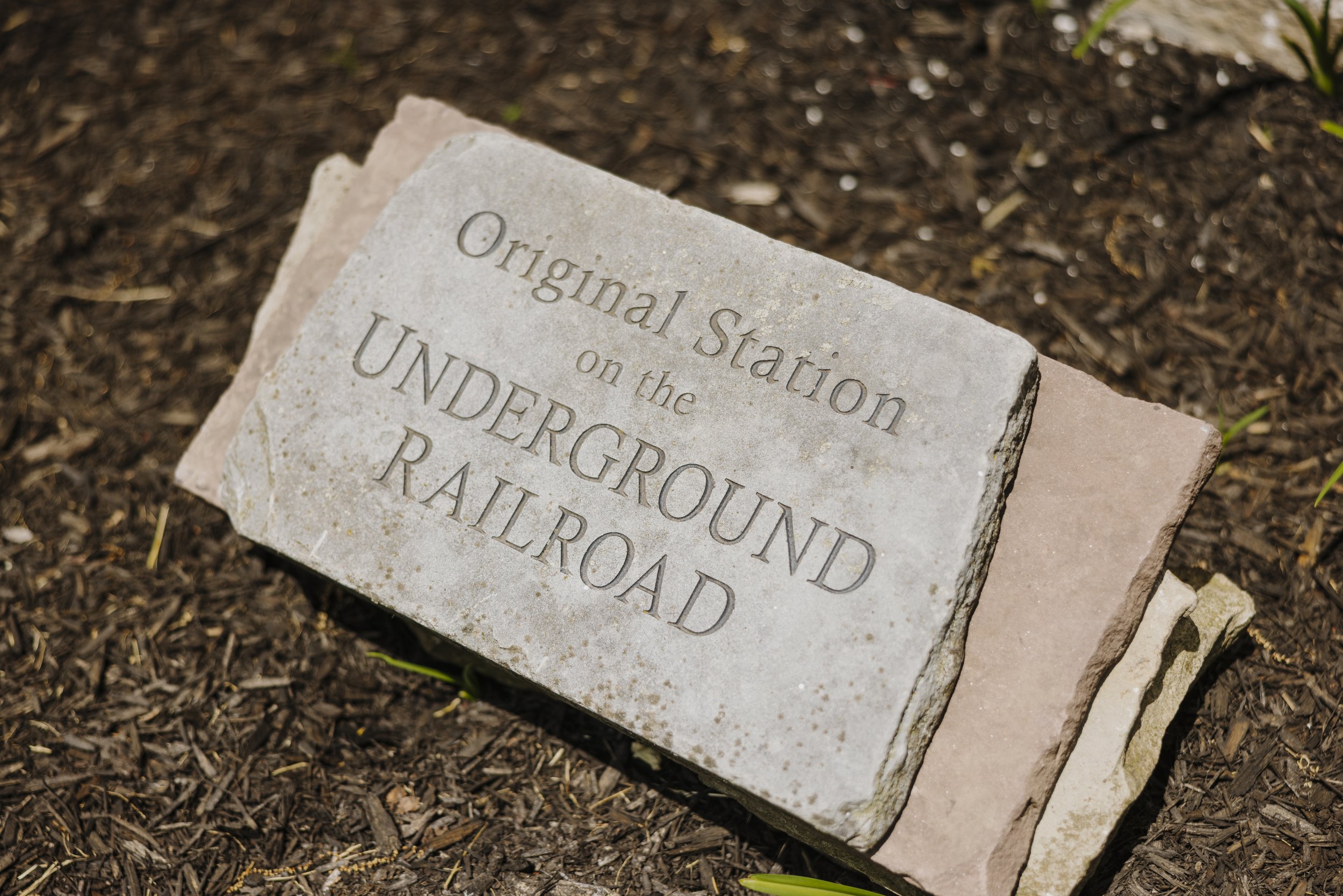
Local history and property records identify the home as a former stop on the Underground Railroad, connecting it to the powerful legacy of abolitionist activity that once stretched throughout Chautauqua County. In the decades leading up to the Civil War, many homes in Westfield quietly provided shelter, food, and safety for those escaping slavery. Due to the secrecy surrounding Underground Railroad operations, documentation was intentionally scarce, but Westfield itself is well documented as an active anti-slavery community with multiple known safe houses and abolitionist families.
The Portage House was originally constructed in the Greek Revival style, a popular architectural design of the mid-1800s known for its tall ceilings, symmetry, and grand yet welcoming character. Over more than 175 years, the home has witnessed generations of change in Westfield — from the rise of the Lake Erie grape industry and railroad expansion to the growth of the region’s renowned wine country.
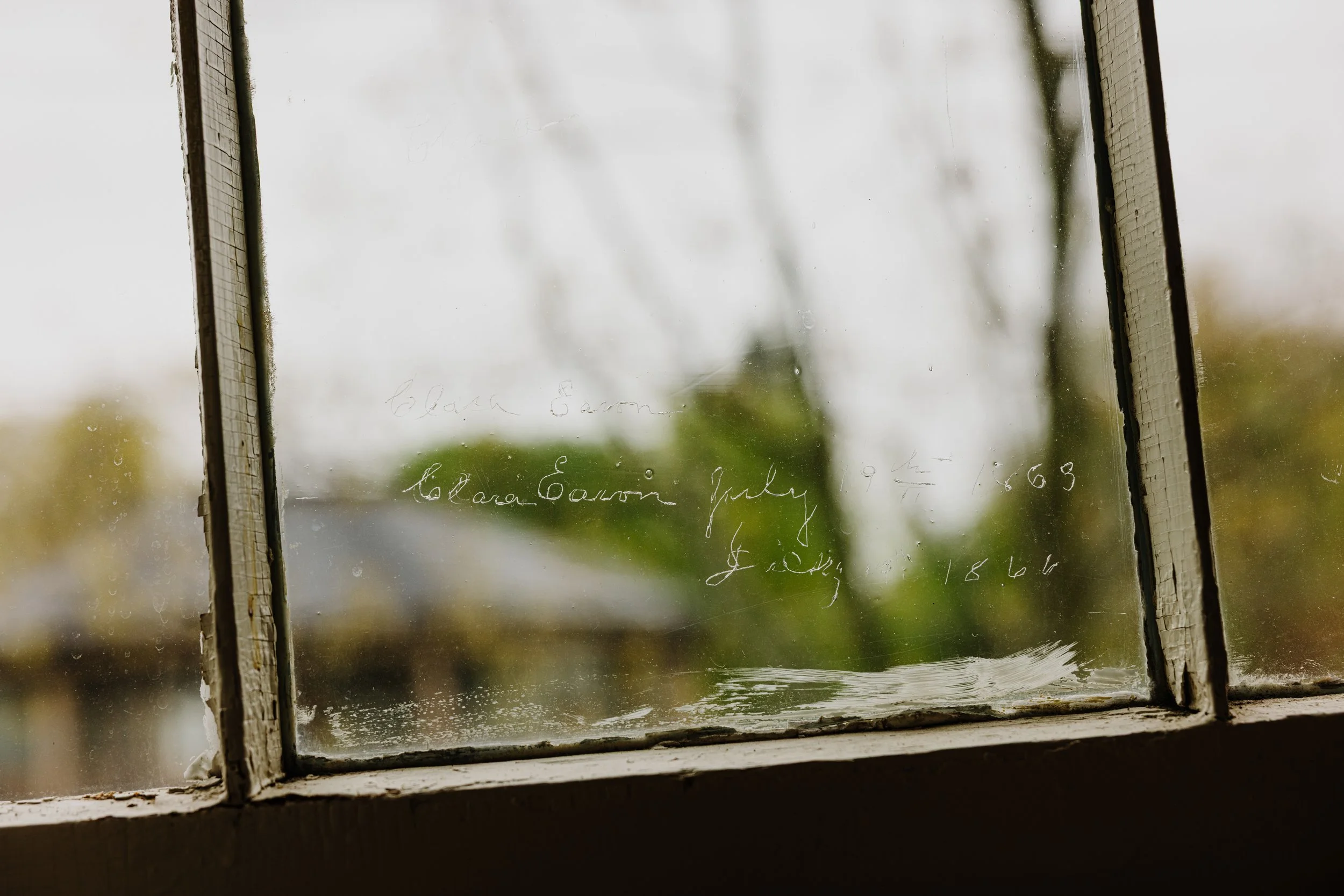
Today, the home has been thoughtfully restored to preserve its historic charm while offering the comforts of a modern stay. Original architectural details, vintage character, and timeless craftsmanship remain throughout the property, while updated interiors create a warm and elevated guest experience.
Guests staying at The Portage House are immersed not only in the beauty of Lake Erie wine country, but also in a meaningful part of New York history — one rooted in resilience, hospitality, and quiet courage.